

-

Sugar molecules point to a new weapon against drug-resistant bacteria 

05 February 2026

Australian researchers have developed a powerful new way to target deadly, drug-resistant bacteria by designing antibodies that recognise a sugar found only on bacterial cells – an advance that could underpin a new generation of immunotherapies for multidrug resistant hospital-acquired infections.

Published in Nature Chemical Biology, the research shows that a laboratory-made antibody can clear an otherwise lethal bacterial infection in mice by homing in on a distinctive bacterial sugar and flagging the pathogen for destruction by the immune system.

The work was co-led by WEHI laboratory head Professor Ethan Goddard-Borger, in collaboration with Professor Richard Payne from the University of Sydney and Associate Professor Nichollas Scott at the University of Melbourne and the Peter Doherty Institute for Infection and Immunity.

Exploiting a vulnerability

The target of the new antibody is a sugar molecule known as pseudaminic acid.

While it resembles other sugars found on human cells, it is produced exclusively by bacteria and is used by many dangerous pathogens as essential components of their outer coats and evade immune responses.

Because humans do not make this sugar, it represents a highly differentiated target for immunotherapy development.

To exploit this vulnerability, the team first chemically synthesised the bacterial sugar and sugar-decorated peptides from scratch.

This allowed them to determine the exact three-dimensional arrangement of the molecule and how it is presented on bacterial surfaces.

Using these insights and molecules, they developed a ‘pan-specific’ antibody capable of recognising the sugar across a wide range of bacterial species and strains.

In mouse infection models, the antibody successfully eliminated multidrug-resistant Acinetobacter baumannii, a notorious cause of hospital-acquired pneumonia and bloodstream infections.

“Multidrug resistant Acinetobacter baumannii is a critical threat faced in modern healthcare facilities across the globe,” Professor Goddard-Borger said.

“It is not uncommon for infections to resist even last-line antibiotics.

“Our work serves as a powerful proof-of-concept experiment that opens the door to the development of new life-saving passive immunotherapies.”

The study, with co-first author Dr Niccolay Madiedo Soler, is published in Nature Chemical Biology.

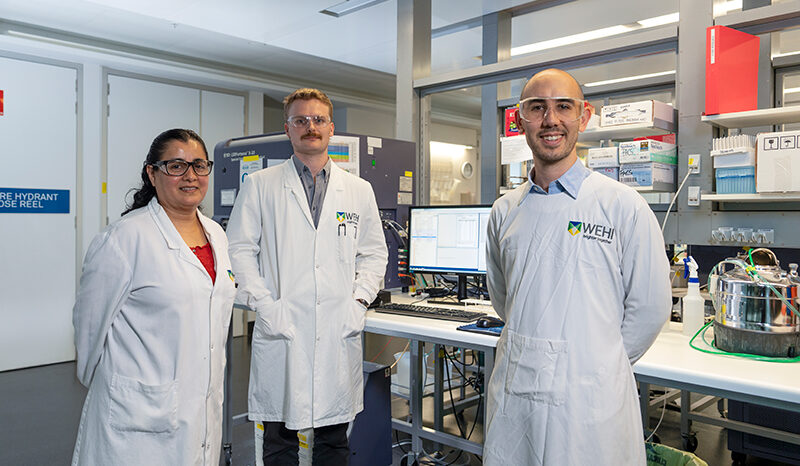
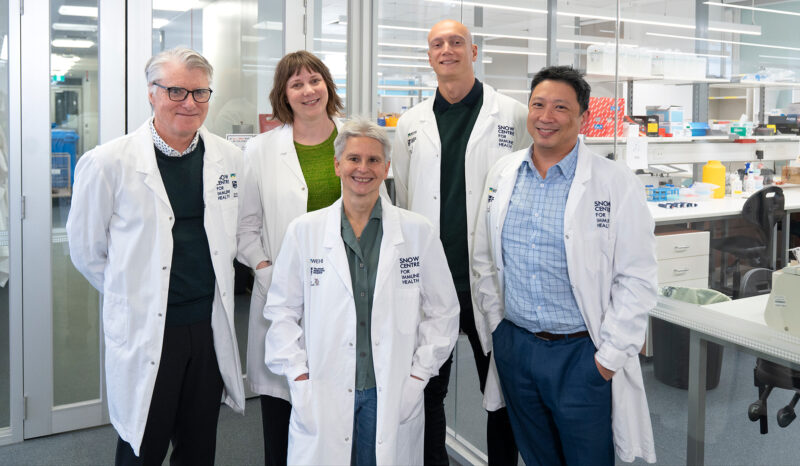
Professor Ethan Goddard and Dr Niccolay Madiedo Soler.

Accelerating translation

Professor Richard Payne said the study shows what is possible when chemical synthesis is combined with biochemistry, immunology, microbiology and infection biology.

“By precisely building these bacterial sugars in the lab with synthetic chemistry, we were able to understand their shape at the molecular level and develop antibodies that bind them with high specificity,” Prof Payne said.

“That opens the door to new ways of treating some devastating drug-resistant bacterial infections.”

The molecular structure of the bacterial sugar as recognised by an antimicrobial antibody.

Passive immunotherapy involves administering ready-made antibodies to rapidly control an infection, rather than waiting for the individual’s adaptive immune system to respond to the infection.

This strategy can be used both therapeutically and prophylactically, which could be deployed to protect vulnerable patients in intensive care units.

Associate Professor Nichollas Scott said the antibodies also provide a powerful new tool for understanding how bacteria cause disease.

“These sugars are central to bacterial virulence, but they’ve been very hard to study,” he said.

“Having antibodies that can selectively recognise them lets us map where they appear and how they change across different pathogens.

“That knowledge feeds directly into better diagnostics and therapies.”

Over the next five years, the team aims to translate these findings into clinic-ready antibody therapies targeting multidrug resistant A. baumannii. Success would effectively remove the “A” from the ESKAPE pathogens – a milestone in the global fight against antimicrobial resistance.

It’s also hoped the recently announced Australian Research Council Centre of Excellence for Advanced Peptide and Protein Engineering, led by Prof Payne and involving WEHI, will build on discoveries like this to accelerate translation into applications in biotechnology, agriculture and conservation.

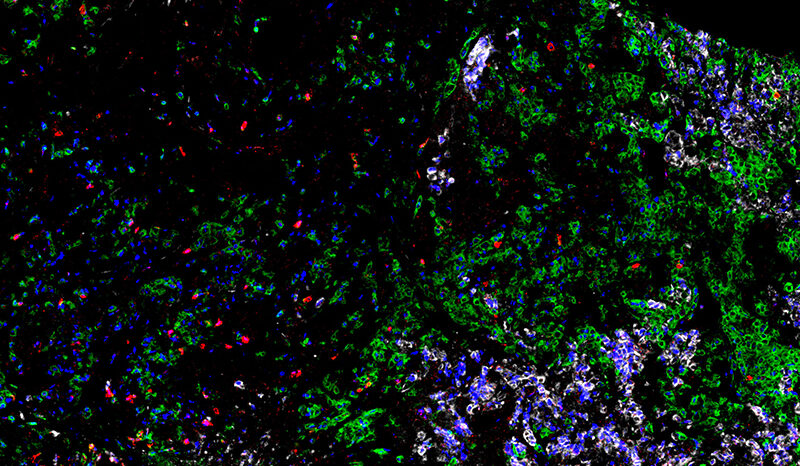
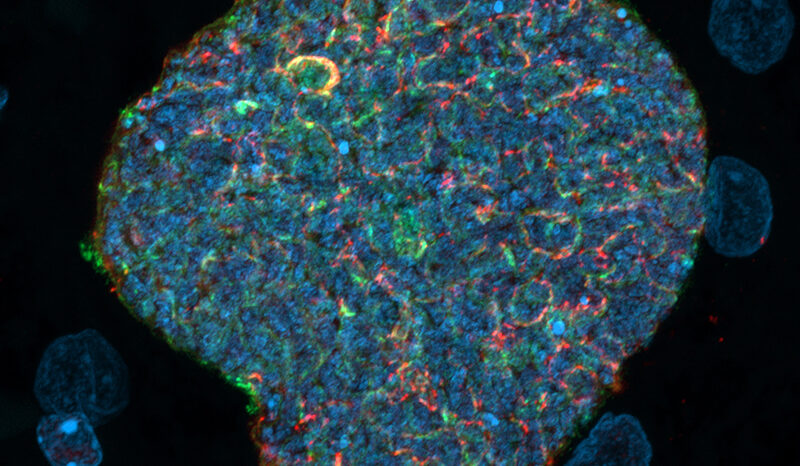
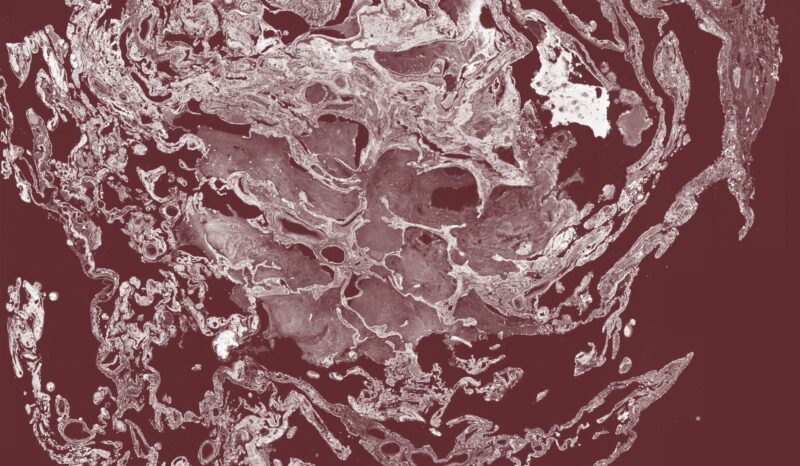
Header image: A fluorescence microscopy image showing the antibody-mediated engulfment of multidrug-resistant Acinetobacter baumannii bacteria by macrophage immune cells. The red/blue depict the macrophage cell and nucleus, while the bacteria is shown in green.

Related topics
Media Enquiries
References
Uncovering bacterial pseudaminylation with pan-specific antibody tools
Journal
Nature Chemical Biology
DOI
10.1038/s41589-025-02114-9
Full details
Support us

Together we can create a brighter future

Your support will help WEHI’s researchers make discoveries and find treatments to ensure healthier, longer lives for you and your loved ones.

Sign up to our quarterly newsletter Illuminate

Find out about recent discoveries, community supporters and more.

Illuminate Summer 2025
View the current issue