

-

Breaking the mould: why Australia’s biotech future doesn’t need to follow the past

04 June 2026

Australia is world-class at running clinical trials but rarely the birthplace of the drugs being tested.

Two major national reform agendas – the Ambitious Australia report and the National Health and Medical Research Strategy (2026–2036) – have underscored what the biotech sector has long understood: while we generate world‑leading discoveries, too few are translated into medicines, companies and industries at home.

But it’s in that gap that WEHI’s Professor Guillaume Lessene sees our greatest opportunity.

“Because we’re still developing our foundations, Australia is not weighed down by legacy infrastructure or outdated models,” says Prof Lessene, Associate Director of Therapeutic Discovery at WEHI.

“We can design a future-ready biotech ecosystem from the ground up – leaner, faster and globally competitive.”

Right now, less than 5% of cancer drugs entering clinical trials in Australia* originate from local drug discovery pipelines – a figure Prof Lessene believes could rise to 20-50% if the right conditions are put in place.

“This could inject billions into the domestic economy and catalyse a steady stream of urgently needed medicines. And the foundations are all here, we just need robust backing.

“Drug discovery today is a marathon that takes years and costs billions.

“Combining a bold vision with artificial intelligence, machine learning and future quantum computing tools, it could be a sprint – faster, smarter and delivering life-changing medicines and diagnostics sooner.”

A thriving biotech sector is essential to turn more home-grown, sovereign discoveries into real impact for patients.

Both national strategies reinforce that success will be measured not just in discovery, but in how quickly research is translated into patient care, health system practice and real‑world outcomes.

Stepping up to strengthen the sector, WEHI is connecting research excellence and technology with capital, industry collaboration and pathways to scale.

Supercharging critical foundations

Significant national investments, supported by the Australian Government’s Medical Research Future Fund, have laid critical foundations.

Located at WEHI, the National Drug Discovery Centre gives researchers across Australia access to industry-grade robotics and advanced screening technology, identifying the best candidates for future drugs at speeds not previously possible.

NDDC has supported over 30 projects, sparked three spinouts and helped secure $135 million in external funding, as well as accelerated discovery since it opened in 2020.

MedChem Australia, launched in 2023 and established with backing from Therapeutic Innovation Australia, advances the next critical step in the early drug discovery pipeline.

The first-of-its-kind national initiative connects three of Australia’s top medicinal chemistry groups – WEHI, Monash University and the University of Sydney – and enables expertise nationwide.

But to truly scale impact, Prof Lessene believes Australia must double down on capabilities and technology adoption.

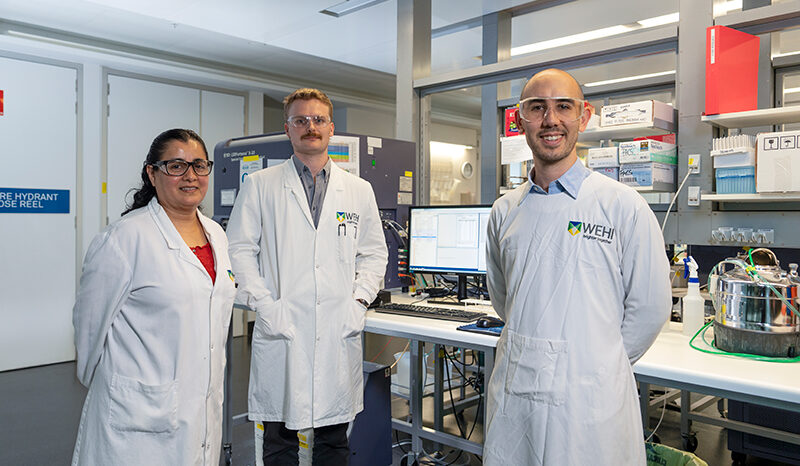
Professor Guillaume Lessene at the National Drug Discovery Centre.

Leaping ahead, not catching up

Capability means ensuring we have the right people, skills, infrastructure and capital to turn medical discoveries into therapies that improve patients’ lives. Technology adoption means embedding emerging tools directly into the drug discovery process.

“With AI, we can model and predict drug candidates at speed and scale unimaginable until now,” Prof Lessene says.

“Quantum computing, while still emerging, has the potential to revolutionise our ability to understand chemistry and biology at the fundamental level, solving problems that are currently out of our reach.”

The Ambitious Australia report calls for bold, mission‑driven investment to concentrate capability and strengthen translation at scale – including in health and medical research, a key national innovation pillar.

At WEHI, investing in national centres and cutting-edge tools is already shaving years off timelines and proving that faster, smarter drug development is possible.

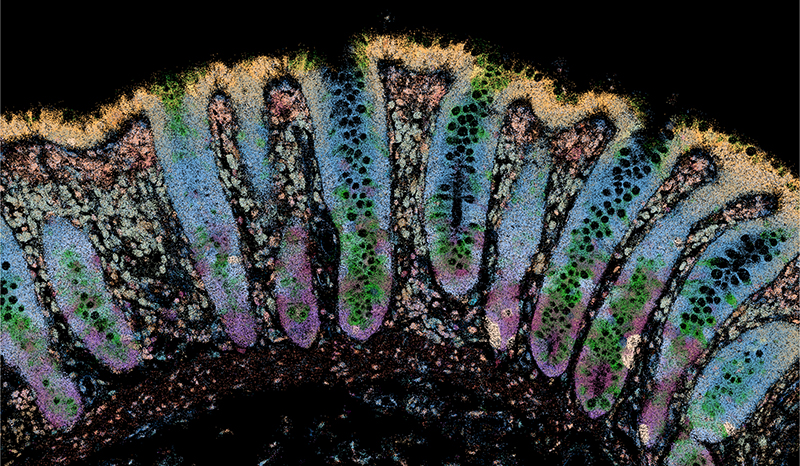
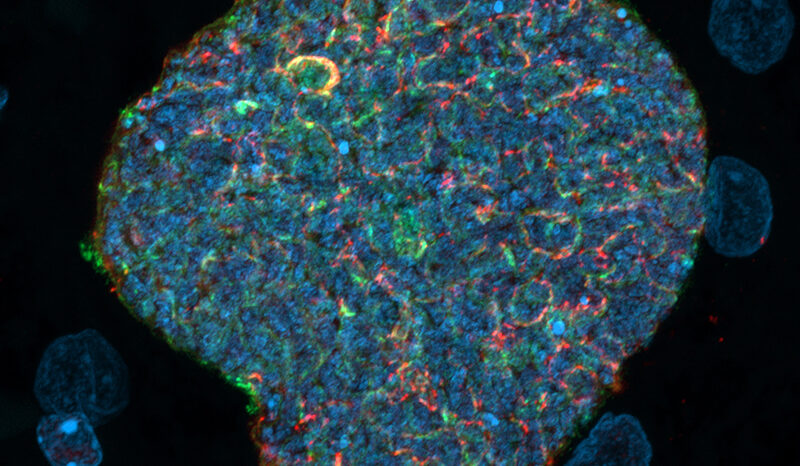
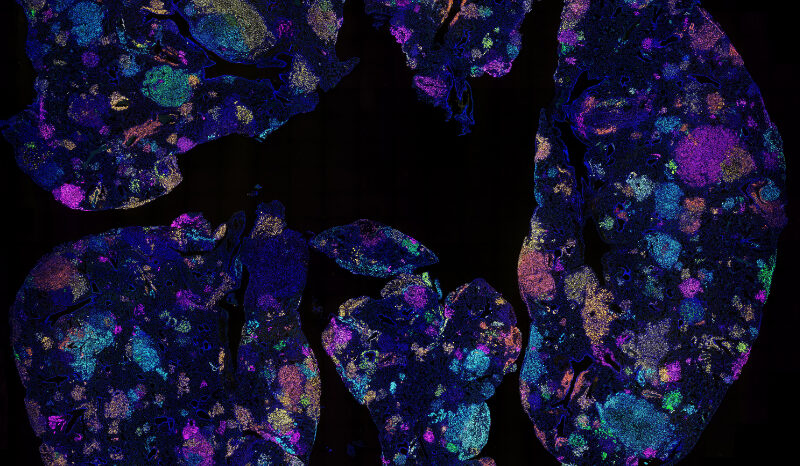
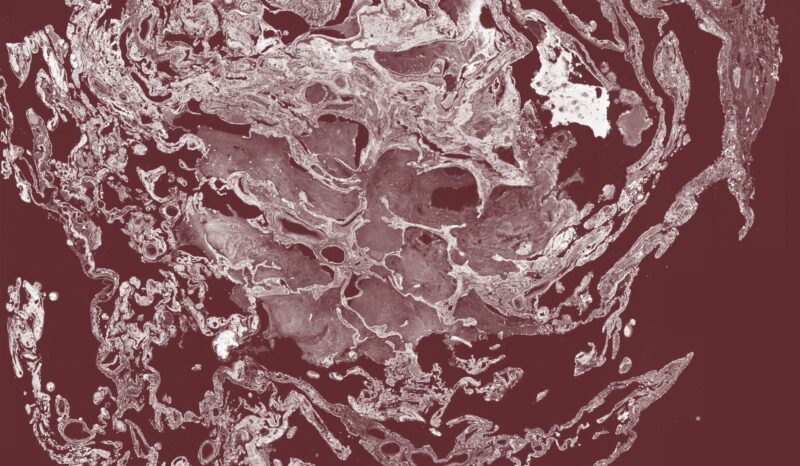
Spatial omics and powerful 3D tissue mapping technologies act as accelerators, revealing unprecedented insights into complex cell communications.

Building on this, WEHI is harnessing AI/ML methods – and preparing for future quantum capabilities – to identify better drug targets, design more effective therapies and make clinical trials faster, cheaper and more precise.

“Combining these next-gen technologies offers a multibillion-dollar opportunity to supercharge drug discovery to bring more effective treatments to patients at unprecedented speed,” Prof Lessene says.

A blueprint and mission-scale investment

Prof Lessene believes Australia can leapfrog traditional biopharmaceutical models rather than follow the slow, incremental paths taken elsewhere.

“It’s a bit like putting humans on the moon,” he says. “America set a bold goal and built an entire ecosystem of capabilities, industries and technologies to make it happen. Australia can do the same for the biotech sector.”

For Prof Lessene, this means nurturing a pipeline of companies at every stage – from two-person university spinouts through to globally competitive biotechs.

Visionary, mission-scale investment – sustained and coordinated over time – would create hubs where academia, startups and industry collaborate with world-leading technologies.

It would also help attract seasoned drug-development specialists to help advance new therapies from discovery to the clinic.

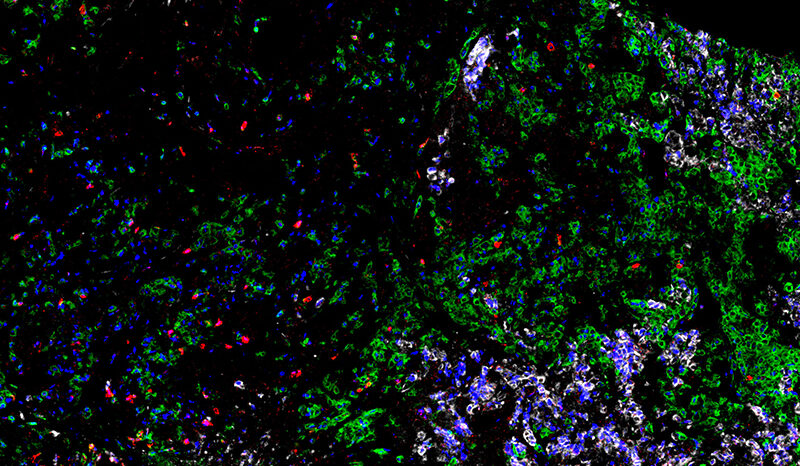
Spatial omics technologies analyse complex cell interactions, allowing WEHI researchers to map entire ‘atlases’ of diseases like never before. Pictured: Vizgen MERSCOPE® Platform System.

Boost future health, economy and resilience

Both national strategies point to the same prize: better health outcomes alongside a stronger, more productive economy driven by research and innovation.

Long-term and strategic government investment is a critical enabler, allowing foundational platforms to grow until the sector is self-sustaining.

Medical research institutes have a critical role in this landscape, translating deep discovery into real‑world tools and therapies, and working in close partnership with universities, hospitals and industry – both local and global.

“At WEHI we have collaborations with companies like CSL, Moderna and emerging Australian AI/quantum startups – sharing global expertise while keeping the value chain in Australia.”

Just as America’s moonshot was not only about space, but about national capability, Australia’s biotech leap is a chance to strengthen resilience in a volatile global environment.

“This is about moving from dependence to capability,” Prof Lessene says.

“By setting ambitious national R&D targets and backing translation with focused investment, Australia can accelerate innovation, grow the biotech ecosystem, lift productivity and keep more value onshore.”

Design the future

Prof Lessene sees leading institutes like WEHI playing a pivotal role in creating a thriving national R&D ecosystem that translates more medicines, therapies and devices from sovereign Australian discoveries, at increased speed.

“We’re not talking about retrofitting an old, clunky system,” he says.

“We have the chance to build something designed for the future. That’s a once-in-a-generation opportunity – and one that offers returns that multiply.”

Professor Guillaume Lessene is a global leader in biomedicine with a passion for translating Australian scientific discoveries into first-in-class therapeutics for global patient impact. He was a key figure in the foundational work that led to the development of the groundbreaking anti-cancer drug, Venetoclax. As Associate Director of Therapeutic Discovery at WEHI, and division head of New Medicines and Diagnostics, he continues to shape the field. Professor Lessene is also a co-founder of biotechs exteRNA and Anaxis Pharma, as well as co-chair of Melbourne Therapeutics.

* Source: Cancer Trials Australia

Your donation could help find that cure that saves someone – maybe someone you love.
Donate now
Related topics
Media Enquiries
Support us

Together we can create a brighter future

Your support will help WEHI’s researchers make discoveries and find treatments to ensure healthier, longer lives for you and your loved ones.

Sign up to our quarterly newsletter Illuminate

Find out about recent discoveries, community supporters and more.

Illuminate Autumn 2026
View the current issue